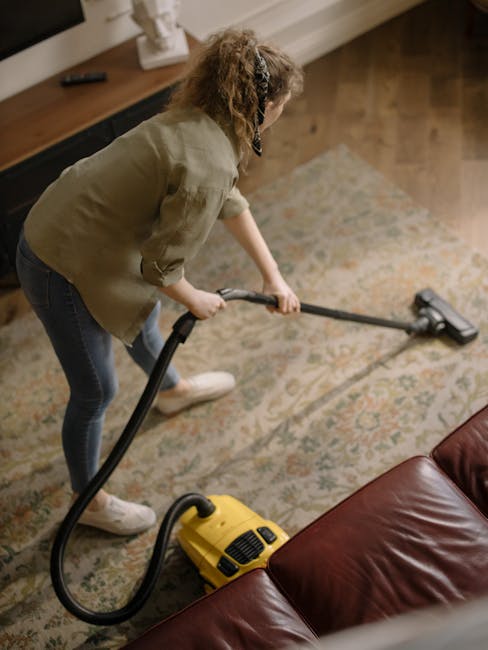
Carpet cleaning near Streatham Hill station SW16
If you live or work near Streatham Hill station SW16, carpet cleaning can quickly move from "nice to have" to "we really should sort this out." Between busy foot traffic, winter grit, spilled tea, pet hair, and the general haze of London life, carpets near a station tend to show wear sooner than you'd expect. Carpet cleaning near Streatham Hill station SW16 is about more than making fibres look brighter; it helps restore freshness, remove embedded dirt, and keep your rooms feeling comfortable again.
In practice, the right clean depends on the carpet type, the stain history, drying time, and how much everyday use the room gets. Some jobs need a light refresh. Others need a proper deep clean. This guide explains how local carpet cleaning works, what to expect, which mistakes to avoid, and how to decide what's actually worth paying for. No fluff. Just the useful bits, properly explained.
Table of Contents
- Why carpet cleaning near Streatham Hill station SW16 matters
- How carpet cleaning near Streatham Hill station SW16 works
- Key benefits and practical advantages
- Who this is for and when it makes sense
- Step-by-step guidance
- Expert tips for better results
- Common mistakes to avoid
- Tools, resources and recommendations
- Law, compliance, standards, or best practice
- Options, methods, or comparison table
- Case study or real-world example
- Practical checklist
- Conclusion
- Frequently asked questions
Why Carpet cleaning near Streatham Hill station SW16 Matters
Carpets do a lot of invisible work. They trap dust, absorb odours, catch fine grit from shoes, and collect the kind of everyday residue you only really notice when sunlight hits the floor at 4 p.m. and suddenly everything looks a bit tired. Near a station, that effect tends to build faster. Commuters, deliveries, visitors, children, pets, and the usual London weather all play their part.
That is why local carpet cleaning matters here in a very practical sense. It helps keep homes feeling cleaner, but it also supports a better first impression in rented properties, managed flats, offices, and shared buildings. If you've ever walked into a hallway and thought, "It's clean enough, but it doesn't feel clean," that's usually the carpet talking.
There's also a maintenance angle. Dirt left sitting in carpet fibres acts like fine sandpaper. Over time, it can flatten pile, dull colours, and make wear patterns stand out. In busy households, a professional clean can buy you more life from the carpet before you even think about replacement. Let's face it, carpets aren't cheap.
For customers comparing cleaning services, it's also worth seeing how carpet care fits into the bigger picture. A deep cleaning service may be the better choice when the whole property needs attention, while domestic cleaning can help with the routine upkeep around it. If the job includes furniture, you may also want to look at sofa cleaning or upholstery cleaning so the room feels balanced rather than half-fresh, half-not.
How Carpet cleaning near Streatham Hill station SW16 Works
Most professional carpet cleaning follows a fairly simple logic: inspect first, clean with the right method, extract as much moisture and soil as possible, then allow the carpet to dry properly. The exact approach changes depending on the fibre, the stain type, and how delicate the carpet is.
A typical visit starts with a visual check. A good cleaner will look for traffic lanes, obvious stains, colour changes, loose seams, and any areas that may need careful treatment. That first ten minutes matters more than people think. If a cleaner charges in with one routine for every carpet in the building, that is not ideal. Different carpets behave differently. Wool is not the same as synthetic fibre, and loop pile is not the same as plush pile.
From there, the process often includes vacuuming, pre-treatment of spots, agitation where appropriate, and the main cleaning stage. Depending on the method used, that could mean hot water extraction, low-moisture cleaning, or a targeted stain treatment. If the cleaner uses too much water, drying takes longer and the carpet can feel slightly soggy for hours. Too little, and you may not get the soil lift you were hoping for. Balance is the whole game.
Afterwards, drying and post-clean inspection matter just as much as the wash itself. A decent clean should not leave sticky residue, strange smells, or obvious tide marks. If you've ever had a carpet cleaned and thought it looked better for one day only, residue is often part of the problem.
For properties with hard flooring nearby, it can make sense to coordinate the work with hard floor cleaning so the whole floor plan is treated consistently. In commercial spaces, pairing carpet care with office cleaning can reduce disruption and keep shared areas presentable.
Key Benefits and Practical Advantages
A proper carpet clean gives you more than a visibly brighter floor. The benefits are practical, and in everyday life that matters.
- Improved appearance: High-traffic marks, dull patches, and settled dirt usually reduce after a careful clean.
- Better freshness: Carpets tend to hold onto odours from pets, cooking, damp shoes, and general household use.
- More comfortable rooms: Softer-feeling pile and a fresher scent can make the whole room feel calmer. Small thing, big difference.
- Better maintenance: Regular cleaning can help carpets last longer before needing repair or replacement.
- Support for lettings and inspections: If you are moving out, a cleaned carpet can help the property present well for the next phase.
- Reduced build-up: Dust, loose grit, and hidden debris are less likely to linger in the fibres.
There is also a psychological benefit that people often underestimate. A clean carpet changes how a room feels underfoot and how it looks in natural light. You notice it in the morning when you walk across the room barefoot and the floor just feels less grubby. Hard to quantify, easy to appreciate.
In a local context, carpet care is especially helpful for landlords, homeowners, tenants at the end of a tenancy, and small offices near Streatham Hill station where footfall can be steady throughout the week. If you are planning a full property refresh, it may also be smart to combine carpet work with window cleaning or one-off cleaning for a more complete reset.
Who This Is For and When It Makes Sense
Not every carpet needs a full professional clean every few months. But there are clear situations where it makes sense, and waiting too long usually makes the job harder.
- Busy households: If children, pets, or frequent visitors keep the carpet under pressure, dirt builds up fast.
- Renters moving out: An end-of-tenancy clean often benefits from carpet treatment, especially where walkways are visibly marked.
- Landlords and letting agents: Clean carpets help present a property more honestly and attractively.
- Homeowners before hosting: If you're having guests over, carpets can quietly carry the whole room's mood. No pressure, of course.
- Small offices and workspaces: Reception areas, corridors, and meeting rooms can all accumulate grime faster than expected.
- Post-renovation households: Dust from builders' work often settles deep into soft flooring, which is where after builders cleaning becomes very useful.
Carpet cleaning makes sense when the carpet looks tired, smells stale, feels rough, or simply has that flattened look that vacuuming no longer fixes. It also makes sense before a special event, after a stain incident, or when the property has just gone through a period of heavy use.
Truth be told, if you are noticing the carpet every time you enter the room, you've probably already passed the point where a routine vacuum is enough.
Step-by-Step Guidance
If you want the best result, it helps to understand the process before anyone arrives. Here's the straightforward version.
- Assess the carpet type and condition. Wool, synthetic, blended fibres, and specialist weaves all need different care. Spot the problem areas first.
- Clear the room where possible. Move small items, fragile decor, and anything you really don't want knocked over. A bit of prep goes a long way.
- Vacuum thoroughly. Loose dirt should be removed before any wet or low-moisture treatment begins.
- Pre-treat stains and high-traffic areas. Spots near entrances, sofas, or dining areas often need extra attention.
- Choose the right cleaning method. Hot water extraction, low-moisture cleaning, or specialist spot cleaning may suit different carpets.
- Allow correct dwell time. Pre-treatment products need a moment to work. Rushing this stage usually weakens the result.
- Extract or remove cleaning solution properly. This is key to avoiding sticky residue and over-wetting.
- Dry the carpet with airflow. Open windows where sensible, use fans if available, and avoid heavy traffic until the carpet is properly dry.
- Inspect the finished result. Check the carpet in daylight if you can. Evening lamplight hides a lot.
If you are using a broader cleaning company, it can be sensible to ask whether the job can be coordinated with other cleaning services or a regular cleaner so you aren't repeatedly interrupting the same space.
Expert Tips for Better Results
Small decisions make a real difference with carpet cleaning. Here are the practical things that tend to separate a decent result from a frustrating one.
- Act on stains early. The longer a spill sits, the deeper it tends to travel. A tea spill from this morning is a different animal from one left for a week.
- Blot, don't rub. Rubbing pushes liquid deeper into the pile and can damage fibres.
- Use the right product for the fibre. What works on synthetic carpet may not be suitable for wool.
- Test in a discreet area first. That tiny patch in the corner can save you from a much bigger problem.
- Avoid oversaturating the carpet. More water is not the same as more cleaning. Usually, it's just wetter.
- Keep ventilation in mind. Open windows, use heating thoughtfully, and let air circulate.
- Plan the clean around your day. If you need the room again quickly, ask about drying expectations before the work starts.
One thing experienced cleaners often notice: the best carpet results come from restraint, not aggression. Gentle chemistry, the right dwell time, controlled moisture, and proper extraction usually outperform "stronger" everything. Which, honestly, is a useful lesson in home care generally.
If you're dealing with fabric elsewhere in the room too, a combined approach with rug cleaning or professional carpet cleaning can keep the look consistent rather than doing one bit brilliantly and leaving the rest behind.
Common Mistakes to Avoid
Some carpet problems are caused by the carpet itself. Others are caused by the cleaning process. The avoidable ones are worth calling out.
- Using too much detergent: Residue attracts soil and can make the carpet look dirty again sooner.
- Cleaning without vacuuming first: Loose grit should be removed before wet treatment begins.
- Scrubbing stains hard: This can distort pile and spread the stain wider.
- Ignoring drying time: Walking on the carpet too soon can re-soil it or flatten damp fibres.
- Choosing the wrong method for delicate fibres: Some carpets need careful handling, not brute force.
- Forgetting about odour sources: If the smell comes from underlay, pet accidents, or a leak, surface cleaning alone may not solve it.
A common one in busy homes is trying to "spot clean" everything forever. Sometimes that works. Sometimes it just creates a patchy floor with bright little circles where products were used. Not ideal. If the carpet is broadly dirty, a full clean is usually the cleaner, simpler answer.
Tools, Resources and Recommendations
For most people, the most useful "tool" is simply a realistic plan. But it helps to know what professionals may use, and what you might reasonably keep at home.
| Tool or approach | What it helps with | Best used when |
|---|---|---|
| Vacuum cleaner with strong suction | Loose dirt, dust, grit, pet hair | Before any carpet cleaning begins, and regularly between visits |
| Spot treatment | Fresh stains and small marks | Immediately after a spill, after testing in a hidden area |
| Hot water extraction | Embedded dirt and general refresh | Heavily used carpets, family homes, rental properties |
| Low-moisture cleaning | Faster drying, lighter maintenance cleans | When access time is short or the carpet cannot stay damp for long |
| Airflow and ventilation | Drying speed and freshness | After the clean, especially in cooler or less ventilated rooms |
If you want a broader refresh, it may be worth combining carpet work with house cleaning or home cleaners for a more complete reset. Offices, meanwhile, often benefit from a combined approach that includes office cleaners and carpet maintenance in one visit.
For quotes and planning, it is sensible to compare scope carefully. A proper quote should explain what is included, which rooms are covered, whether stain treatment costs extra, and how long drying is expected to take. If you want to review pricing clearly, the page on pricing and quotes is the place to start.
Law, Compliance, Standards, or Best Practice
Carpet cleaning itself is not a heavily regulated trade in the way some other services are, but best practice still matters. You should expect sensible handling of chemicals, careful work practices, clear communication about risks, and respect for property and privacy.
In a professional setting, especially in homes, rentals, and offices, cleaners should work with appropriate insurance and sensible safety procedures. That matters if an item is damaged, if a surface is delicate, or if there are vulnerable people in the property. A responsible provider should be able to explain how they approach safety and access. If that kind of detail matters to you, the pages on insurance and safety and the health and safety policy are useful reference points.
For tenants and landlords, it is also worth keeping expectations realistic. A professional clean does not always make an old carpet look brand new. That depends on age, wear, previous staining, and fibre condition. Good practice is about honesty: stating what can be improved, what may only be reduced, and what cannot be reversed.
If payment or terms are part of your decision, it never hurts to read the fine print once. Boring, yes. But a quick scan through the terms and conditions and payment and security guidance can spare you a headache later.
Options, Methods, or Comparison Table
Different cleaning methods suit different situations. Here's a simple comparison that can help you choose more confidently.
| Method | Best for | Pros | Limitations |
|---|---|---|---|
| Hot water extraction | General deep cleaning, busy carpets, high soil levels | Strong soil removal, good for a fuller refresh | Longer drying time, not ideal for every fibre |
| Low-moisture cleaning | Quick turnaround, lighter maintenance, time-sensitive spaces | Faster drying, less disruption | May be less effective on deeply embedded soil |
| Spot and stain treatment | Specific marks, spills, isolated problem areas | Targeted, efficient, useful for small issues | Not a substitute for whole-room cleaning |
| Combined room refresh | Properties needing several surfaces cleaned together | Consistent finish across carpets and furniture | Can take longer to plan and execute |
For many households, the best choice is not the "strongest" method but the one that matches the carpet's condition and the time available to dry. That sounds obvious, but it gets overlooked more than you'd think.
Case Study or Real-World Example
Here's a realistic example from the kind of job that comes up often near a station area. A two-bedroom flat with a hallway, living room, and one busy entrance carpet had seen months of commuter traffic, damp shoes, and a couple of food spills. The carpet didn't look awful from a distance, but in daylight the traffic lane down the hallway was obvious and the living room had a dull, flattened patch near the sofa.
Instead of trying to mask the issue with fragrance or a quick spot spray, the cleaner inspected the fibre type first, then treated the darker areas separately before carrying out the main carpet clean. The hallway needed a little more attention around the edges where dust tends to settle. The living room had a small mark near the armchair that needed careful treatment, not more water. After drying, the carpet looked brighter and felt softer underfoot, and the room smell was simply cleaner. Not perfumed. Just clean.
The useful lesson here is simple: a good result usually comes from knowing where the soil is hiding. In homes close to transport links, it's often in the entry path, hallway bends, and around furniture legs. That kind of detail is where experience shows.
Practical Checklist
Before booking carpet cleaning near Streatham Hill station SW16, work through this checklist. It keeps things simple.
- Identify which rooms need attention.
- Note visible stains, odours, or heavy traffic areas.
- Check whether the carpet is wool, synthetic, or mixed fibre if you know it.
- Decide if you also want rugs, sofas, or upholstery cleaned.
- Clear small items and fragile objects from the area.
- Ask how long drying is likely to take.
- Confirm what is included in the quote.
- Ask whether stain treatment is part of the service or an extra step.
- Check access, parking, and entry arrangements if needed.
- Prepare a room where people can avoid walking across damp carpet.
If you're organising a broader refresh rather than one room, you may also want to think about end of tenancy cleaning or one-off cleaning so the whole property is dealt with in one go.
Quick takeaway: the best carpet cleaning results come from matching the method to the fibre, treating stains properly, and allowing enough drying time. Simple, but easy to get wrong.
Get a free quote today and see how much you can save.
Conclusion
Carpet cleaning near Streatham Hill station SW16 is really about restoring the feel of a space, not just improving the look of the floor. Near a busy station, carpets pick up a lot more than people realise, and the build-up can quietly affect the comfort, scent, and overall impression of a room.
Once you understand the methods, the likely drying times, and the importance of proper preparation, it becomes much easier to choose a service that fits your actual needs. Sometimes that means a targeted stain treatment. Sometimes it means a deeper, room-by-room refresh. Either way, a careful clean can make a space feel properly looked after again.
And honestly, there's something satisfying about that first step onto a freshly cleaned carpet in the morning. Small win, but a real one.
Frequently Asked Questions
How often should carpet cleaning near Streatham Hill station SW16 be booked?
That depends on foot traffic, pets, children, and how quickly the carpet shows soil. Busy households and rented properties usually benefit from more frequent cleaning than a quiet spare room.
What is the best carpet cleaning method for most homes?
There is no single best method for every carpet. Hot water extraction is often used for deeper soil removal, while low-moisture cleaning may suit rooms that need a faster turnaround.
Will professional carpet cleaning remove old stains?
Sometimes it will improve them significantly, but not every stain can be removed completely. Age, fibre type, the stain itself, and previous DIY attempts all affect the result.
How long does a carpet take to dry after cleaning?
Drying time varies with the cleaning method, room ventilation, carpet thickness, and weather. It is sensible to ask the cleaner for an estimate before the job starts.
Can carpet cleaning help with pet smells?
Yes, if the odour is held in the carpet fibres or surface dirt. If the smell has reached the underlay or subfloor, you may need more targeted treatment.
Is it worth cleaning carpets before moving out?
Usually yes, especially if the tenancy agreement or inspection expectations make clean presentation important. It can also make the property look much better for the next occupants.
Should I vacuum before the carpet cleaner arrives?
Yes, if you can. Removing loose dirt first helps the cleaning process work more effectively and avoids turning grit into muddy residue.
Can carpet cleaning damage delicate carpet fibres?
It can, if the wrong method or product is used. That is why fibre identification, spot testing, and careful moisture control matter so much.
What should I do after the carpet has been cleaned?
Avoid heavy foot traffic until it is dry, keep air moving where possible, and do not place furniture back too soon unless the cleaner tells you it is safe.
Can I combine carpet cleaning with other services?
Yes. Many people choose to combine carpet care with services such as sofa cleaning, upholstery cleaning, rug cleaning, or broader one-off cleaning so the whole room feels refreshed together.
Is carpet cleaning useful for offices near Streatham Hill station SW16?
Very much so. Offices and reception areas can collect a surprising amount of dust and footfall grime, and regular cleaning helps them stay presentable and more comfortable for staff and visitors.
How do I know if a quote is fair?
A fair quote should explain what is included, how many rooms or areas are covered, and whether extras such as stain treatment or furniture moving are part of the price. Clarity matters more than a flashy headline number.
Where can I learn more about the company and its standards?
You can review the about us page, the insurance and safety page, and the recycling and sustainability information for a better sense of how the service is handled.