Health and Safety Policy for Carpetcleaning SW16
 Our carpet cleaning policy is built around the principles of prevention, careful planning, and safe working practices. We recognise that carpet cleaning, upholstery care, stain removal, and floor maintenance can all involve equipment, chemicals, moisture, and physical effort. For that reason, every task is assessed before work begins so that risks are controlled and the environment remains safe for occupants, workers, and property. This health and safety policy applies to all cleaning activities carried out under the Carpetcleaning SW16 service standard, with a focus on professionalism and consistency.
We are committed to identifying hazards early and taking sensible steps to reduce them. Typical risks may include slips on wet floors, electrical hazards from powered machines, exposure to cleaning agents, manual handling strain, and poor ventilation during treatment. By following a structured approach, the team can complete carpet cleaning work efficiently while protecting health, preventing accidents, and supporting a clean indoor environment. Safety is treated as an essential part of service quality, not an optional extra.
 Every carpet cleaning job begins with a simple site assessment. Floors, access routes, furniture placement, fabric type, stains, and possible obstructions are reviewed before any equipment is switched on. Where necessary, protective measures are put in place to reduce the chance of injury or damage. This may include warning signage, safe cable routing, controlled use of water, and checks that the area is suitable for the chosen method. The aim is to make each carpet cleaning SW16 task predictable, controlled, and safe from start to finish.
Safe Working Practices
Cleaning operatives are expected to use equipment in accordance with manufacturer instructions and internal safety standards. Machines are inspected before use, and any damaged item is removed from service until it has been checked and repaired. Electrical items are handled with particular care, especially in areas where water is present. A dry, tidy workspace is maintained wherever possible, because good housekeeping reduces slips, trips, and unnecessary interruptions.
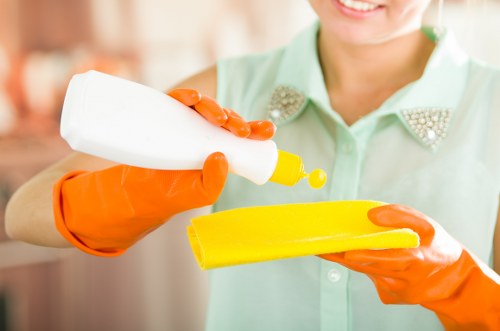
Cleaning products are selected for suitability and used in measured amounts. The team avoids mixing chemicals unless specifically authorised, and containers are clearly labelled to prevent confusion. Where a product could cause irritation, gloves and other suitable personal protective equipment are used. In enclosed areas, ventilation is improved to reduce exposure to fumes and to support comfortable working conditions. These measures are especially important in carpet cleaning services where different fibres and stain types may require different formulations.
 Manual handling is another important part of safe carpet care. Lifting equipment, moving furniture, and transporting machines can place strain on the back, shoulders, and arms if done incorrectly. Staff are trained to use correct posture, share loads when needed, and ask for assistance with heavy or awkward items. This helps reduce fatigue and lowers the risk of musculoskeletal injury during carpetcleaning operations.
Training, Supervision, and Responsibility
All team members receive instruction on safe cleaning methods, emergency procedures, and the correct use of tools and products. Supervisors reinforce expectations through regular checks and guidance, ensuring standards remain consistent across different jobs. New starters are monitored closely until they demonstrate safe competence. This structured support helps maintain a reliable carpet cleaning policy that can be followed in varied settings.
Roles and Duties
Management is responsible for setting policy, arranging training, reviewing incidents, and ensuring suitable resources are available. Operatives must follow instructions, report concerns, and take reasonable care of their own safety and the safety of others. Clients and property occupiers are asked to share relevant information about hazards, fragile surfaces, or access limitations so that the work can be planned properly. Clear communication reduces uncertainty and supports safer outcomes.
We also place importance on incident reporting. Any accident, near miss, spill, equipment fault, or unsafe condition is reported promptly so that corrective action can be taken. Lessons learned from incidents are used to improve procedures and reduce the likelihood of recurrence. A strong reporting culture is essential to effective carpet cleaning SW16 health and safety practice.
Protecting Property and Occupants
 Before work begins, sensitive items are protected and access areas are managed to avoid disruption. Wet surfaces are clearly identified, and drying times are allowed for before the area is returned to normal use. Where upholstery, rugs, or fitted carpets may be vulnerable to moisture or colour transfer, test spots are used when appropriate. The goal is to provide safe, careful carpetcleaning SW16 services that protect both people and property.
Occupant welfare is considered throughout the cleaning process. If work takes place in a busy household or shared environment, the team keeps routes clear and minimises exposure to cleaning activity. Children, pets, and vulnerable individuals are kept away from treated areas until it is safe to return. This practical approach helps prevent accidental contact with damp flooring, equipment, or products.
Environmental responsibility is also part of the policy. Where possible, products are chosen for effectiveness and efficient use, reducing waste and unnecessary chemical exposure. Water consumption is controlled carefully, and equipment is maintained so that it operates at the intended performance level. Good maintenance supports both safety and sustainability, while also contributing to a cleaner final result.
Emergency Preparedness and Review
 Emergency planning is a key element of the policy. In the event of a spill, electrical issue, injury, or unexpected hazard, work stops immediately and the situation is made safe. First aid measures are applied where appropriate, and escalation procedures are followed without delay. Staff are trained to remain calm and act responsibly, which helps limit harm and protect everyone present.
The policy is reviewed regularly to ensure it remains suitable for current working practices, equipment, and legal expectations. Updates may be made after an incident, a change in cleaning method, or new risk information. By reviewing procedures and maintaining awareness, the business supports a dependable carpet cleaning services standard that prioritises safety at every stage. This commitment helps ensure that all carpet cleaning work is carried out with care, discipline, and respect for health and safety requirements.