Hard Floor Cleaning in SW16
If you are looking for Hard Floor Cleaning in SW16, you probably want more than a quick wipe-over. Hard floors can look impressive in a home or workplace, but they also show traffic, dust, dull patches, scuffs, and spill marks very quickly. In busy local properties across Streatham, Norbury, Upper Norwood borders, and the wider SW16 area, floors need the right cleaning approach to keep them looking smart and to help them last longer.
Our local hard floor cleaning service is designed for real homes and businesses that need practical results. Whether your property has tile, stone, vinyl, laminate, safety flooring, polished concrete, or a specialist sealed surface, the aim is the same: remove built-up dirt, restore a cleaner appearance, and leave the floor easier to maintain day to day.
For many customers in SW16, the challenge is not just the floor type itself. It is the combination of high footfall, weather coming in from outside, family life, pets, shift work, or commercial use. Local roads, mixed property layouts, shared entrances, and parking restrictions can all affect how a cleaning visit needs to be planned. That is where a nearby team can make a real difference.
Why hard floor cleaning matters for SW16 properties
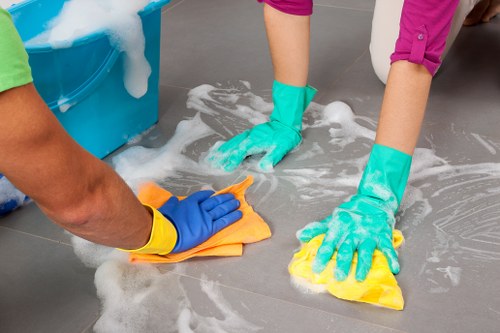
Hard floors are often chosen because they are practical, attractive, and more durable than carpet in many rooms. But they are not maintenance-free. Even when they still look “fine” at a glance, a floor can hold fine grit, bacteria, residue from domestic products, and staining in grout lines or textured finishes. Over time, this can make even a good-quality floor look tired.
In SW16, this is especially relevant in homes with busy family routines, rental properties with frequent tenancy changes, shops with constant customer traffic, offices with regular visitors, and communal areas that see wet shoes and outdoor debris. A proper deep clean helps remove what standard mopping leaves behind, which is often only the top layer of dirt.
There is also a long-term benefit. Floors that are cleaned with the correct methods are generally easier to maintain, more pleasant to walk on, and better protected from unnecessary wear. Regular hard floor care can also help reduce slipping risks by removing residues that make surfaces feel greasy or patchy.
Local conditions that affect floor care
SW16 includes a wide mix of property styles, from Victorian and Edwardian homes to purpose-built flats, modern apartments, retail units, medical spaces, studios, and small offices. Many properties have narrow hallways, stair access, limited storage space, or shared entrance areas. That means any cleaning service needs to be practical, flexible, and respectful of the building layout.
Parking can also matter. On-street restrictions, controlled parking zones, and busier residential roads can affect arrival planning and equipment handling. A local service is used to working around these realities and can organise the visit more efficiently than a team unfamiliar with the area.
Commercial customers in SW16 often need work completed with minimal disruption. That may mean early morning appointments, end-of-day cleaning, or a plan that allows certain parts of the premises to stay usable while others are being treated. For residential customers, it may mean working carefully around furniture, children, pets, and daily routines.
What types of hard flooring we clean

Not every floor should be treated the same way. One of the most important parts of professional hard floor cleaning is identifying the surface correctly and using the right cleaning method. A safe, effective approach for a tiled kitchen would not necessarily suit a sealed wood-look vinyl floor or a natural stone hallway.
Common floor types in SW16 homes and workplaces include:
- Ceramic and porcelain tile in kitchens, bathrooms, hallways, and shop floors
- Natural stone such as slate, marble, limestone, travertine, and terrazzo
- Vinyl and safety flooring in schools, clinics, offices, and commercial units
- Laminate and engineered wood-look floors that need careful moisture control
- Polished concrete in modern interiors, studios, and trade spaces
- Luxury vinyl tile (LVT) in residential and commercial settings
Each surface has different sensitivities. For example, porous stone may need specialist products to lift dirt without damaging the finish, while sealed vinyl needs residue-free cleaning to prevent slipperiness or dulling. The goal is always to clean thoroughly while respecting the floor’s structure and finish.
Homes, flats, and shared spaces
Many SW16 customers live in flats or multi-storey homes where access and floor condition are not straightforward. Hallways can collect outdoor debris, stair landings may need edge-to-edge attention, and open-plan spaces often show uneven wear from kitchen and living areas. A good service can address these differences room by room.
Shared entrances and communal corridors also need particular care. These areas can become dirty quickly because they are used by multiple households, visitors, delivery drivers, and maintenance teams. Regular professional cleaning helps maintain a cleaner, more welcoming first impression for residents and visitors alike.
For landlords and letting agents, hard floor cleaning can be useful between tenancies or before new occupancy. It helps remove the marks left by moving furniture, renovation dust, and everyday buildup, supporting a cleaner handover without overcomplicating the process.
How our hard floor cleaning service works

The process should be simple for you and thorough for the floor. While every property is different, a typical hard floor cleaning appointment in SW16 follows a clear sequence designed to achieve reliable results.
Step 1: Floor assessment. We look at the material, finish, level of dirt, and any problem areas such as marks, grout staining, build-up near skirting, or residue from previous cleaning products. This helps determine the safest and most effective method.
Step 2: Preparation. Furniture may need to be moved where possible, loose debris is removed, and delicate areas are protected. If the floor has deep debris or grit, this is addressed before wet cleaning starts so that particles do not scratch the surface.
Step 3: Deep cleaning. Depending on the floor type, we may use machine agitation, controlled scrubbing, specialist detergents, microfibre systems, or low-moisture methods. The objective is to lift dirt from the surface and, where relevant, from textured finishes and grout lines.
Step 4: Rinse and residue removal. A good result depends on removing soil and cleaning solution properly. Leaving residue behind can make floors attract dirt faster, so a thorough rinse or extraction stage is often essential.
Step 5: Optional finishing care. Some floors benefit from a protective layer, polish, or specialist treatment, depending on the material and condition. This can improve appearance and make routine upkeep easier.
What you can expect on the day
We aim to keep the service practical and well organised. That means arriving with the right equipment for your floor type, working carefully around your property, and keeping disruption to a minimum. For business premises, this may include planning around opening times. For domestic homes, it may mean focusing on hallways, kitchens, bathrooms, and high-traffic living areas first.
Customers often appreciate a service that explains what will happen before work begins. That way, you know whether items should be moved, whether areas need to dry, and how soon the floor can be walked on safely. Clear communication matters just as much as clean results.
If you are unsure what your flooring is made from, that is not a problem. A local specialist can usually identify the surface and recommend the safest option without guesswork. Book your service now if you want a proper assessment and a tailored clean.
What is included in hard floor cleaning

Customers often ask what a hard floor clean actually covers. The answer depends on the material and condition of the surface, but a professional service is usually more detailed than routine household mopping. The purpose is not just to make the floor look tidy for a moment, but to deal with dirt that standard cleaning misses.
A typical service may include the following:
- Initial inspection of the floor condition and material
- Dry removal of dust, grit, and loose debris
- Targeted pre-treatment of stains or heavy soil
- Machine or hand scrubbing appropriate to the floor type
- Cleaning along edges, corners, and traffic lanes
- Grout or joint attention where relevant
- Rinsing or residue extraction
- Optional sealing, polishing, or protective treatment if suitable
Not every floor needs every step, and some surfaces require a lighter touch. A vinyl floor in a kitchen may benefit from residue-free cleaning and careful drying, while a stone floor might need specialist product selection to avoid etching or dulling. That is why experience with different floor finishes matters.
Benefits for homes and families
In domestic properties, hard floors are often used in the busiest rooms of the house. Kitchens, entrance halls, utility rooms, bathrooms, and living areas all collect everyday dirt. A professional clean can make these spaces feel fresher and more comfortable, especially if you have children or pets bringing in dirt from outside.
Another practical benefit is easier routine upkeep. When a floor is free from excess residue and embedded soil, daily sweeping and mopping become more effective. You may find that the floor stays cleaner for longer and looks more consistent between visits.
Families with allergies or sensitivity to dust also often prefer a proper deep clean for floors, because hard surfaces can trap fine particles in corners, textures, and grout. While no cleaning service removes every possible irritant, a thorough treatment can make a noticeable difference to overall cleanliness.
Benefits for businesses and commercial premises
For businesses in SW16, clean floors are part of how a property is experienced by staff, customers, and visitors. A floor with heavy traffic marks or dull patches can make an otherwise well-run space feel neglected. That matters in offices, retail units, salons, clinics, and customer-facing environments.
Commercial hard floor cleaning can also support hygiene routines. In food-related, healthcare-related, or high-footfall environments, surface cleanliness needs to be consistent and dependable. A tailored cleaning plan can help maintain standards without interfering with the working day.
Where appropriate, a schedule can be arranged for regular maintenance as well as deeper periodic treatment. This is often the most effective way to protect the appearance and durability of flooring over time.
Why choose a local SW16 floor cleaning company

Choosing a local company for hard floor cleaning SW16 can make the whole process easier from first enquiry to finished job. A local team is more likely to understand property types in the area, common access issues, and the kind of wear floors experience in busy residential streets and commercial premises nearby.
There are several practical advantages to using a nearby service:
- Faster scheduling: local visits are often easier to arrange
- Better area knowledge: useful for parking, access, and building layouts
- Flexible service: helpful for homes, offices, and shops with specific time windows
- Appropriate methods: chosen for common local flooring materials and finishes
- Lower disruption: planning can be more efficient when the team knows the area
SW16 covers a wide mix of local needs. Some customers want a one-off deep clean before guests arrive or after decorating. Others need regular care for a business entrance, communal landing, or rental property between occupancies. A local provider can adapt the service to suit the property rather than offering a one-size-fits-all approach.
Local knowledge that matters on the day
Access can be a real factor in this part of London. Narrow streets, busy parking areas, shared drives, and flats above shops all need planning. Even where the job itself is straightforward, arriving with the correct equipment and enough time to complete the work properly saves stress for everyone involved.
Local knowledge also helps when different areas of the property need different treatments. For example, a hallway may need heavy soil removal, a kitchen may need degreasing, and a bathroom may need careful attention around fixtures and edges. A skilled team can move between those demands smoothly.
If you are comparing options, look for a service that asks sensible questions before the appointment. The right questions are usually about floor type, room size, access, problem areas, and drying expectations. That suggests the team is planning the work properly rather than rushing through it.
What makes a floor cleaning visit worth booking?
It is usually worth booking when a floor has lost its appearance, feels sticky after mopping, shows visible traffic lanes, or needs attention before an event, tenancy change, or business opening. If the floor still looks good but you know it has not had a thorough clean for a long time, a deep clean can also help preserve it.
Contact us today if you want a proper assessment of your floor and a cleaning plan suited to your property in SW16.
Preparation checklist before your appointment
A little preparation helps the service run more smoothly and can improve the final result. You do not need to overdo it, but these simple steps are often useful before hard floor cleaning in SW16:
- Clear as many small items from the floor as possible.
- Move lightweight furniture if you can do so safely.
- Let the team know about fragile fittings, loose trims, or damaged grout.
- Make sure access routes are available, especially in flats or shared buildings.
- Keep pets and children away from the work area during cleaning and drying.
- Tell the cleaner about any stains, spill history, or previous products used on the floor.
If heavy furniture is present, it does not always mean the job cannot be done. It simply means the service may need to work around those items or agree in advance what can be moved. For larger homes, offices, or commercial rooms, a clear plan avoids delays.
Preparation also protects the floor. Removing grit and small loose objects before scrubbing begins can reduce scratching and help the treatment reach the real dirt underneath.
Pricing factors customers should expect
While no exact prices should be promised without seeing the property, several factors usually influence the cost of hard floor cleaning:
- Floor material and sensitivity
- Total area and number of rooms
- Level of soil, staining, or build-up
- Access conditions and parking considerations
- Whether drying, polishing, or sealing is needed
- Residential or commercial usage patterns
More delicate floors may require specialist products and careful application, while heavily trafficked commercial floors may need additional time and equipment. Multi-room properties or surfaces with intricate edges, grout lines, or damage can also affect the job length.
A sensible quote should reflect the actual work needed rather than using a vague estimate that does not match the floor condition. If you are requesting a quote, share the room sizes, flooring type if known, and any specific concerns such as dullness, staining, or slippery residue.
Areas covered across SW16
Hard floor cleaning is available across the wider SW16 area, serving both domestic and commercial customers. That includes homes, flats, communal spaces, retail units, offices, and other premises in and around Streatham and nearby neighbourhoods where regular floor care is needed.
Customers often come from a mix of local streets, apartment buildings, shopfronts, and mixed-use properties. Whether the floor is in a busy hallway, a commercial entrance, or a family kitchen, the same core principle applies: the cleaning method should suit the material and the setting.
Areas commonly associated with SW16 service requests include parts of Streatham, Streatham Common, Streatham Hill borders, Norbury side streets, and nearby residential and business locations that are easy to reach from the postcode area. If you are nearby and unsure whether your property is covered, it is sensible to make an enquiry and ask.
Who usually books this service?
- Homeowners wanting a fresh, clean finish in busy rooms
- Tenants preparing a property at the end of a tenancy
- Landlords and letting agents needing turnover cleaning
- Offices wanting cleaner reception areas and walkways
- Retailers and customer-facing businesses needing a better presentation
- Property managers maintaining communal entrances and shared floors
Different customers need different outcomes, and that is why local floor cleaning should be flexible. A domestic hallway may need careful edge work and stain removal, while a commercial premises may need overnight or off-peak scheduling. A good service can handle both.
Useful questions to ask before booking
If you want to make sure the service is right for your floor, ask yourself:
- What type of flooring do I have?
- Is the floor sealed, polished, textured, or porous?
- Are there any problem areas I want treated first?
- Do I need a one-off deep clean or regular maintenance?
- Will access, parking, or timing affect the appointment?
These questions help the cleaner plan correctly and help you get a more useful result from the visit.
FAQs about hard floor cleaning in SW16
How often should hard floors be professionally cleaned?
That depends on how the floor is used. A busy family hallway or commercial entrance may need deeper attention more often than a low-traffic room. Some customers book periodic care every few months, while others use the service when the floor starts to look dull or marked.
Can you clean grout lines and textured surfaces?
Yes, many hard floor cleaning jobs include attention to grout or textured finishes where dirt tends to settle. The exact method depends on the material and condition of the floor.
Will the floor be slippery after cleaning?
A professional clean should aim to remove residues rather than leave them behind. Drying time and the surface type matter, so it is important to follow any aftercare advice and avoid walking on the floor too soon if moisture is still present.
Do you need to move the furniture first?
It helps if small items are moved beforehand, but larger furniture can often be discussed during the quote stage. The plan depends on the room layout, furniture weight, and the floor area that needs access.
Can this service help after decorating or renovation work?
Yes, hard floors often collect dust, plaster residue, adhesive traces, or general construction dirt after building work. A specialist clean can help restore the floor once the main works are finished.
Is this suitable for commercial properties?
Absolutely. Offices, shops, salons, clinics, and other commercial spaces often benefit from scheduled hard floor cleaning because floors in these environments see much higher traffic than domestic rooms.
Why it is worth acting before the floor gets worse
It is easy to ignore slow dulling because it happens gradually. But once residue, staining, or wear lines become more obvious, the floor can look older than it really is. Acting earlier often means less corrective work and a better finish overall.
That is particularly true in SW16 properties with regular traffic from shoes, prams, deliveries, pets, or customers. The sooner a surface is properly cleaned, the easier it usually is to maintain. Book your service now if your floor is starting to look tired and you want a more professional clean.
Whether you need help with one room or several floors across a property, a local hard floor specialist can recommend the most suitable approach after seeing the surface. If you are planning ahead for a move, a refurbishment, a busy season, or a seasonal refresh, request a free quote and get the process started.
Choosing the right service for your floor
When looking for hard floor cleaning SW16, it is worth choosing a provider that values the details. Good results come from more than just equipment. They come from understanding different floor materials, reading the condition correctly, and using the right method for the setting.
For residential customers, that usually means a cleaner home, a fresher appearance, and less day-to-day effort to keep on top of spills and dust. For commercial customers, it can mean a better first impression, a more professional look, and floors that are easier to manage across the working week.
Because local properties vary so much, the best approach is often a short conversation about your floor, your priorities, and the type of finish you want. From there, the service can be shaped around the real needs of the space rather than a generic cleaning routine.
If you are ready to improve the look and condition of your floors, contact us today to discuss the job, ask about availability, and arrange a visit that suits your property in SW16.