Streatham Common rug cleaning and stain removal guide
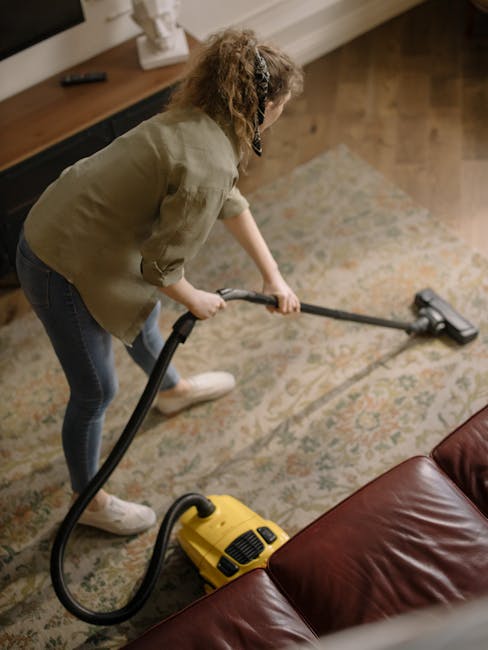
If your rug has picked up a tea splash, muddy footprint, pet mishap, or one of those mystery marks that seems to appear overnight, you are not alone. This Streatham Common rug cleaning and stain removal guide is here to help you deal with everyday rug problems calmly, safely, and properly. A good rug can hold a room together; a badly treated stain can do the opposite in about ten seconds flat.
Whether your rug lives under a coffee table in a busy family sitting room, in a hallway that sees constant shoe traffic, or in a flat where space is tight and drying time matters, the basics are the same: act quickly, use the right method for the fibre, and avoid making the stain bigger. In this guide, you will learn how rug cleaning works, which stain removal steps are worth trying at home, when to stop, and when professional help makes more sense.
Expert summary: The best rug care is usually a mix of prompt spot treatment, gentle cleaning products, correct drying, and knowing when a stain is beyond a DIY fix. Rush it, and you can lock the mark in. Go slowly, and you often save the rug. Simple, but true.
Why Streatham Common rug cleaning and stain removal guide Matters
Rugs do a lot of quiet work in a home. They soften hard floors, reduce noise, add warmth on a cold London morning, and make a room feel finished. They also catch everything: crumbs, dust, pollen, pet hair, damp shoe marks, and the occasional drink spill that lands with a tiny splash and a lot of regret.
In and around Streatham Common, many homes and flats see a mix of busy family life, pets, commuters, and all the weather London can throw at your doorstep. That means rugs tend to get dirty faster than people expect. The issue is not just appearance. Dirt embedded in rug fibres can cause dullness, abrasion, lingering smells, and in some cases quicker wear. Stains matter too, because once they oxidise, dry, or spread through the backing, removal becomes far more difficult.
To be fair, lots of people only think about rug care after a visible stain appears. That is understandable. But the smarter approach is to treat stains as a race against time. A fresh mark is usually removable. A set-in mark may need specialist treatment, repeated work, or acceptance that a faint shadow will remain. And that is where sensible guidance saves both frustration and money.
If your rug is part of a wider cleaning routine, it can help to look at related services too, such as professional rug cleaning or broader deep cleaning support when a home needs a fuller reset. Not every rug needs the same treatment, and not every home needs the same frequency. That judgment call matters.
How Streatham Common rug cleaning and stain removal guide Works
Rug cleaning works by breaking the problem down into two parts: soil removal and stain removal. Soil is the general grime that collects across the rug. Stains are the visible incidents, like coffee, wine, mud, ink, or grease. The method you choose depends on the rug fibre, dye stability, construction, backing, and how long the stain has been there.
Most stain removal follows a simple logic:
- Lift up loose matter first.
- Test any solution in an out-of-sight area.
- Work from the outside of the stain towards the centre.
- Blot rather than scrub.
- Use as little moisture as possible.
- Dry the area thoroughly once the stain is treated.
That sounds straightforward, and often it is. The trouble starts when people scrub too hard, pour on too much liquid, or use the wrong product on wool, silk, viscose, jute, or a dyed synthetic rug. A stain may disappear on the surface but creep deeper into the pile, where it can later wick back up as the rug dries. Annoying, yes. Common, also yes.
Professional rug care usually adds a few more steps: fibre identification, dye testing, pre-treatment, controlled extraction, rinsing, and proper drying. If your rug is valuable, handmade, antique, or simply sentimental, those extra checks are worth taking seriously. You do not want a quick fix that leaves a permanent ring.
Key Benefits and Practical Advantages
Good rug cleaning is about more than making the surface look neat. Done properly, it gives you several practical benefits at once.
- Better appearance: colours look clearer, pile looks fuller, and the room feels fresher.
- Odour control: spills, pet accidents, and damp fibres can create lingering smells if not dealt with promptly.
- Longer rug life: removing gritty dirt helps reduce fibre wear.
- Cleaner indoor feel: rugs can trap dust and debris, so maintenance improves day-to-day comfort.
- Less risk of permanent staining: early action gives you the best chance of success.
- Better value for money: regular care is usually cheaper than replacing a rug early.
There is also a subtle but real emotional benefit. A clean rug changes how a room feels. It is one of those things you notice when you walk in, even if you cannot quite put your finger on why. The place just feels looked after.
If the rug is one part of a bigger clean-up after decorating, renovation, or a burst of heavy household traffic, it may be sensible to combine it with one-off cleaning or after builders cleaning. Dust from works can settle into rugs fast, and it is sneaky stuff too.
Who This Is For and When It Makes Sense
This guide is for anyone in Streatham Common who wants a rug to look better without making an expensive mistake. That includes homeowners, tenants, landlords, families with young children, pet owners, and busy professionals who keep meaning to deal with the stain "at the weekend".
It also makes sense if you are preparing for guests, a rental inspection, a move-out, or simply a seasonal reset. Spring and autumn are common times for a proper tidy-up, though truth be told the need usually arrives the moment a spill happens. Life does not wait for a cleaning schedule.
You may need a more careful approach if your rug is:
- made from wool, silk, viscose, or a delicate blend
- handmade, antique, or imported
- large and awkward to move
- affected by pet urine, red wine, coffee, ink, grease, or paint
- showing a strong smell as well as a visible mark
- in a high-traffic zone like a hallway or living room
If the rug is also part of a sofa-and-floor refresh, you might find it useful to consider sofa cleaning or upholstery cleaning at the same time. Matching the cleaning approach across fabrics can make the room feel much more consistent. A bit of a hidden win, that.
Step-by-Step Guidance
Below is a sensible, practical method for handling common rug stains at home. It is intentionally cautious. If in doubt, stop early rather than over-treating the area.
1. Act quickly and remove solids
For mud, crumbs, food bits, or dried residue, let the material dry if needed, then gently lift it away. A blunt spoon or soft edge works better than picking at the fibres with your nails. If the stain is wet, blot first with clean white paper towels or a lint-free cloth. Do not press so hard that you drive the spill down into the backing.
2. Identify the rug fibre if you can
Synthetic rugs usually tolerate more than delicate natural fibres, but that is not a licence to get careless. Wool needs gentle treatment. Viscose can become distorted or water-marked. Jute and sisal can stain easily and dislike heavy moisture. If you are unsure, treat it as delicate.
3. Test in a hidden spot
Try a small amount of the chosen cleaner in a corner or underneath the rug edge. Wait and check for colour bleed, texture change, or dulling. It is a boring step. It also saves tears.
4. Blot with a mild solution
For many fresh stains, a small amount of lukewarm water with a suitable mild cleaner is enough. Apply the solution to the cloth, not directly onto the rug. Then blot from the outside of the stain inward. This helps keep the mark from spreading.
5. Rinse lightly
Once the stain starts lifting, dab the area with a cloth moistened with clean water to remove residue. Leftover detergent can attract dirt, so a light rinse is worth the effort. Keep moisture levels sensible. Saturation is the enemy.
6. Dry the rug properly
Use a dry towel to lift excess moisture, then leave the area to air dry with good ventilation. If possible, raise the rug slightly off the floor. Avoid heat blasting unless the fibre type allows it. A fan can help. A hairdryer up close usually does not.
7. Reassess once dry
Some stains look better while damp and then reappear later. Check again after full drying. If a ring, shadow, or smell remains, the stain may need a second pass or a professional assessment.
Practical rule: if the stain is spreading, turning the pile sticky, or changing colour, stop and reassess. More product is not always more progress.
Expert Tips for Better Results
Here is where a few small decisions make a big difference.
- Work on the stain from the edges first. That keeps the mark compact.
- Use white cloths. Coloured cloths can transfer dye.
- Keep your motions gentle. Scrubbing frays fibres and can distort pile direction.
- Treat smell and stain together. A stain that looks faint but smells bad is not finished.
- Do not over-wet the backing. That is how odours linger and mould risk increases.
- Lift the pile after drying. A soft brush or clean hand can help restore the texture.
If you have a rug in a busy family room, the best results usually come from small, regular interventions rather than one dramatic rescue mission. A quick blot on Tuesday can save a bigger job on Saturday. It really can be that simple.
And one more thing: take photographs before and after. Not for vanity. For comparison. It helps you see whether a mark is improving or just looking better in different light. Annoyingly, sunlight has its own opinion about everything.
Common Mistakes to Avoid
Some rug cleaning mistakes are easy to make and surprisingly costly. The good news is that most of them are avoidable once you know what to watch for.
- Scrubbing hard: this pushes soil deeper and roughs up the fibres.
- Using too much water: a soaked rug dries slowly and may smell afterwards.
- Applying random products: bleach, harsh solvents, and strong stain removers can damage dyes or backing.
- Ignoring fibre type: what works on synthetic pile may harm wool or viscose.
- Leaving residue behind: detergent residue attracts new dirt.
- Using heat too early: heat can set protein-based stains and distort some fibres.
- Waiting too long: once a stain oxidises or dries in, it becomes a very different job.
A fairly common one is trying to do everything in one go. People keep adding cleaner, water, cleaner again, more water, then wonder why the patch looks worse. Happens more often than you'd think.
Tools, Resources and Recommendations
You do not need a cupboard full of gadgets to maintain a rug well. A small, sensible kit usually works best.
| Tool or item | What it is useful for | Good practice note |
|---|---|---|
| Microfibre cloths | Blotting spills and lifting residue | Use white cloths where possible so you can see transfer |
| Soft brush | Releasing light soil and reviving pile after drying | Brush gently in the direction of the fibres |
| Vacuum cleaner with adjustable height | Routine soil removal and dust control | Avoid aggressive beater bars on fragile rugs |
| White paper towels | Immediate spill absorption | Press lightly and change often |
| Small bowl of lukewarm water | Gentle dilution and rinsing | Use sparingly; water is a tool, not the whole solution |
| Mild rug-safe cleaner | Spot treatment for fresh marks | Always test first on hidden fibres |
For larger homes or for recurring cleaning needs, a broader service may be more practical than buying multiple specialist products. If the problem is not just the rug but the whole room, a reliable cleaning company or regular domestic cleaning can help keep things under control without turning your weekend into a cleaning marathon.
It can also be useful to check service details like pricing and quotes, payment and security, and insurance and safety before booking any specialist service. That is just sensible due diligence, really.
Law, Compliance, Standards, or Best Practice
For most household rug cleaning, there is no complicated legal process involved. Still, best practice matters, especially if you are hiring someone to work in your home or handling items that may be delicate, valuable, or potentially sensitive to moisture and chemicals.
In the UK, responsible cleaning work usually means using products safely, following manufacturer guidance where available, and making sure people and surfaces are protected from avoidable damage. For a household, that translates into a few straightforward expectations:
- use cleaning products according to their instructions
- store chemicals safely away from children and pets
- ventilate the room well during and after cleaning
- test materials before full application
- avoid mixing products unless the label clearly says it is safe
If you are hiring a cleaner or specialist, you should also expect clear service terms, transparent communication, and proper handling of health and safety concerns. For extra reassurance, some customers like to review pages such as terms and conditions, privacy policy, and about us before booking. That does not mean the job is complicated. It just means trust is built in plain sight.
Options, Methods, or Comparison Table
Not every stain or rug needs the same approach. This comparison can help you choose the right starting point.
| Method | Best for | Pros | Limits |
|---|---|---|---|
| Blotting with mild solution | Fresh spills, light marks | Low risk, cheap, quick | May not remove deep or old stains |
| Targeted spot treatment | Defined stains like coffee or sauce | Focused, efficient | Needs fibre awareness and careful rinsing |
| Full rug cleaning | General soil, dullness, multiple marks | Improves the whole rug, not just one patch | Takes longer and may require drying space |
| Professional rug cleaning | Delicate, large, valuable, or stubbornly stained rugs | Better control, more thorough treatment | Costs more than DIY |
In practice, many people start with a gentle home method and then escalate only if needed. That is often the smartest route. If the stain is from paint, dye, red wine, pet urine, or anything you suspect might be permanent, don't keep experimenting endlessly. At some point, the cheapest move is to stop poking at it.
Case Study or Real-World Example
A typical Streatham Common scenario goes like this: a medium-pile living room rug gets a tea spill late in the evening. The spill is noticed quickly, but the first reaction is to dab with a damp cloth and then, because panic is a persuasive little thing, add more water. By morning the centre of the stain looks lighter, but a faint brown ring has appeared around the edge.
What happened? The tea was partially lifted, but the dissolved residue moved outward as the rug dried. That is the classic wicking problem. The better response would have been to blot first, use only a small amount of diluted solution on the cloth, rinse lightly, and dry the rug evenly with airflow. No drama. Just method.
In a second example, a pet accident on a thicker synthetic rug was treated promptly with a blotting towel, a gentle cleaner, and careful drying. The smell was the key issue. Once the visible mark was gone, the area still needed a full drying period and a repeat check the next day. That extra check mattered more than the first clean, because odour and residue often hide until the rug is properly dry. Slightly annoying, yes, but that is the reality of it.
These everyday outcomes are why a calm, step-by-step approach usually beats a frantic one. Rugs are resilient, but they do not love being bullied.
Practical Checklist
Use this checklist before, during, and after stain treatment.
- Identify the stain type if possible.
- Check the rug fibre and care label if available.
- Test any cleaner in a hidden area.
- Blot, do not scrub.
- Apply cleaner to the cloth first, not straight onto the rug.
- Use small amounts of liquid only.
- Rinse lightly to remove residue.
- Dry thoroughly with ventilation.
- Check for smell, shadowing, or wicking the next day.
- Escalate to professional help if the stain remains or the rug is delicate.
If you are also thinking about wider home maintenance, you may want to keep related jobs together. Services such as house cleaning, home cleaners, or cleaners can help when the rug is only one piece of a much bigger reset.
And if your project has become a bit more all-encompassing than expected, it happens. Homes have a habit of doing that.
Get a free quote today and see how much you can save.
Conclusion
A clean rug does more than improve the look of a room. It makes the space feel calmer, fresher, and better cared for. The trick is not magic; it is timing, fibre awareness, gentle treatment, and patience while the rug dries properly.
This Streatham Common rug cleaning and stain removal guide is meant to give you confidence, not stress. Start small, stay cautious, and do not overreact to every mark. Some stains need only a quick blot and rinse. Others need a professional eye. Knowing the difference is half the battle.
If you treat your rug well, it will usually return the favour for years. Quietly, steadily, and without any fuss. That's the good bit.
Frequently Asked Questions
How do I remove a fresh stain from a rug without spreading it?
Blot the stain gently with a clean white cloth or paper towel, working from the outside in. Use only a small amount of suitable cleaner on the cloth, not directly on the rug, and avoid rubbing.
Can I use washing-up liquid on my rug?
Sometimes a very mild solution can help on synthetic fibres, but it should be used sparingly and tested first. Too much detergent leaves residue, and residue attracts dirt. Less is more here.
What stains are hardest to remove from rugs?
Red wine, coffee, pet urine, ink, grease, paint, and dye-based stains can be difficult, especially once they dry or set into the backing. Delicate fibres make the job even trickier.
Should I scrub a rug stain if blotting does not work?
No, scrubbing usually makes things worse. It can damage the pile and push the stain deeper. A second careful treatment or professional help is usually a better option.
How long should a rug take to dry after cleaning?
Drying time varies depending on fibre type, room ventilation, and how much moisture was used. The aim is full, even drying, not just surface dryness. If it feels damp underneath, give it more time.
How often should rugs be professionally cleaned?
That depends on foot traffic, pets, children, and rug type. High-use rugs often need more attention than decorative pieces. Many people clean on a seasonal basis, but the right timing is really about condition, not the calendar.
Is steam cleaning safe for all rugs?
No. Some rugs tolerate moisture and heat better than others, while delicate fibres may be damaged. Steam or hot-water methods should only be used when the rug construction and dye stability allow it.
What should I do if my rug has a smell but no visible stain?
Odour can come from trapped moisture, pet accidents, or residue hidden in the fibres. Dry the area properly first, then reassess. If the smell remains, a deeper clean is usually needed.
Can I clean a valuable or handmade rug myself?
You can do very light maintenance, but for delicate, antique, or high-value rugs, caution is the right approach. Small mistakes can be costly, and specialist cleaning is often the safer option.
What if the stain looks lighter when wet but returns after drying?
That is often wicking or residue rising from deeper in the rug. It means the stain was not fully removed or the backing still holds some contamination. Re-treatment or professional cleaning may be needed.
Do I need professional help for every rug stain?
No, not at all. Fresh, light, surface-level stains can often be handled at home. Professional help becomes more sensible when the rug is delicate, the stain is old, or the mark has spread into the backing.
How do I know if a rug cleaning service is worth booking?
Look at the rug's value, the stain type, the size of the problem, and how much risk you are willing to take on yourself. If the rug matters to you and the stain is stubborn, a specialist service is often worth it for peace of mind alone.